Dublin Day Tours
I’m Serious Day Tour Man AI, your day trip expert. Ask me anything — where to go, how to get there, and what’s actually worth your day.
Dublin’s day-trip radius holds a tomb older than the pyramids that admits visitors by shuttle-and-guide only and runs a global lottery for five December sunrises, a monastic valley the Vikings couldn’t stop raiding, and a coastal railway that turns the commute into the attraction.
The honest arithmetic below covers the two long ones everyone asks about: the Giant’s Causeway day is real and works by a rule most tours won’t mention (the stones themselves are free), and the Cliffs of Moher from Dublin is a verdict, not a recommendation. The city block sorts the Book of Kells, the Guinness question, and the session etiquette.
Here’s what’s worth a day, with real times and honest trade-offs.

Popular Day Trips
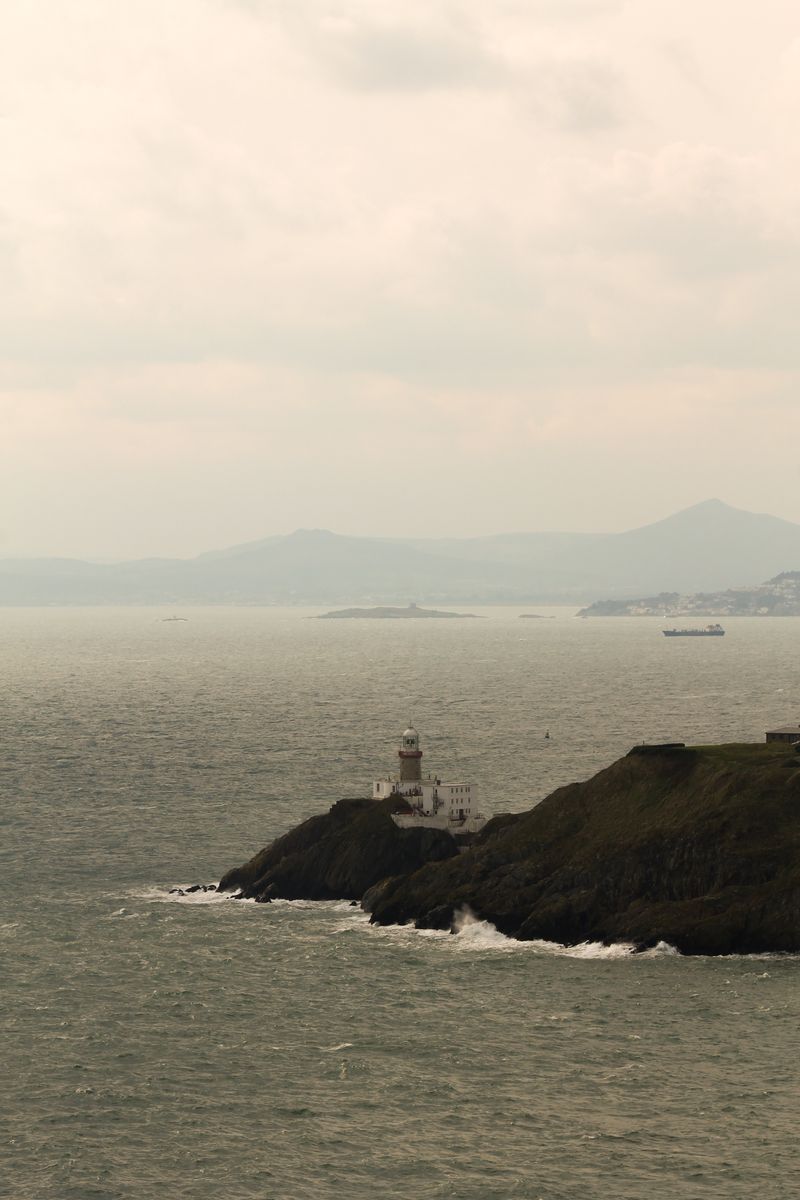
Howth & the DART Coast
Twenty-five minutes up the DART to a cliff loop and a working pier

Glendalough & Wicklow
A sixth-century monastic city in a valley of two lakes
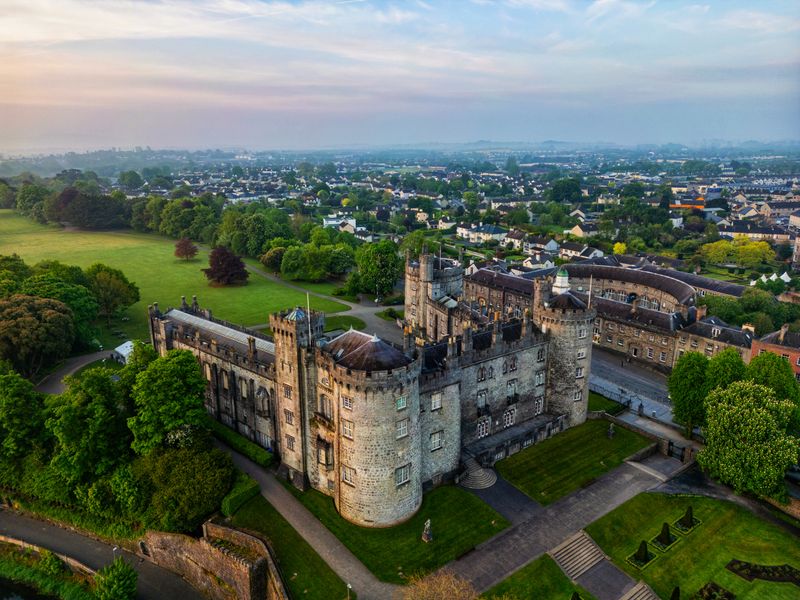
Kilkenny
Ireland’s best medieval mile, ninety minutes southwest
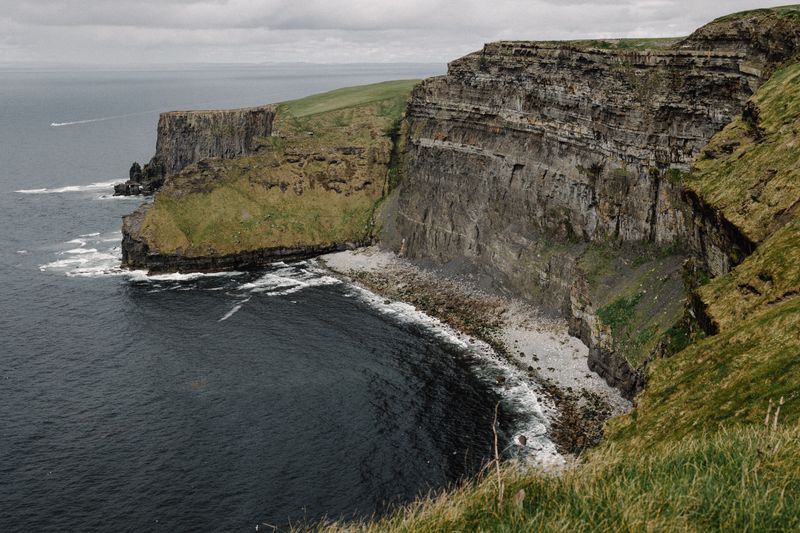
The Cliffs of Moher
The far-coast day trip — a verdict, not a default
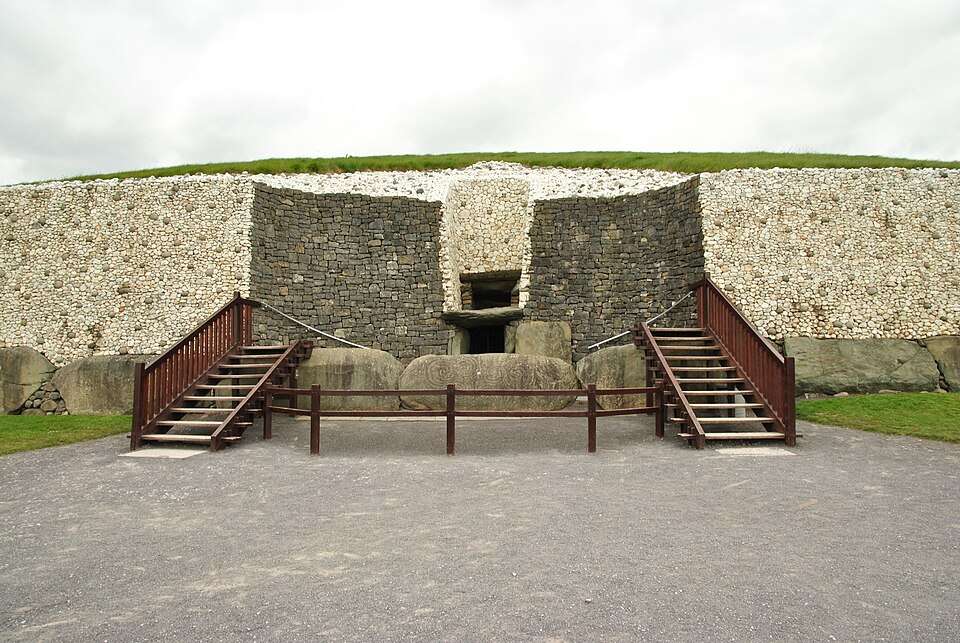
Brú na Bóinne
The Visitor-Centre Rule, the 30-Day Release
Howth & the DART Coast — The Train That Earns Its Fare
The gentlest day starts at any DART station: the coastal electric rail runs the bay in both directions, and both ends deliver. North to Howth (25 minutes): the fishing harbor’s seal-begging piers, the cliff path looping the headland — the standard circuit takes two unhurried hours past the Baily Lighthouse, gorse, and gannet views — and the fish shacks and chowder rooms that justify the walk twice over. West-pier fishmongers sell the boat-fresh version for self-caterers.
South to Dalkey and Killiney (25–30 minutes): Dalkey’s medieval main street wears its castle and its celebrity residents lightly, the Vico Road walk to Killiney Hill delivers the bay panorama locals compare to Naples with a straight face, and the White Rock swimmers are in year-round, which is its own Irish lesson.
The mechanics: tap-on transit cards cover it all, weekday mornings beat the weekend stroller density, and the weather rule is Irish-absolute — the forecast is a mood, not a contract, so carry the layer regardless. The frame: half a day per direction, combinable into one bay-bracketing day, and the correct recovery after anything on the longer list below.
Read the full Howth day-trip page.
Glendalough & Wicklow — The Valley of Two Lakes
An hour south, Glendalough is early-Christian Ireland in its original setting: the monastic city St. Kevin founded in the sixth century — round tower, stone churches, Celtic-crossed graveyard — sits at the mouth of a glacial valley whose two lakes give the place its name and its silence, Viking raids notwithstanding.
The circuit: the monastic core and visitor centre first (free entry to the ruins themselves; the centre’s exhibition is the modest paid layer), then the valley — the boardwalk-and-trail loop to the Upper Lake runs flat and beautiful, while the Spinc trail climbs wooden steps to the ridge for the two-lakes-from-above photograph and earns it with 600-odd steps. The miners’ village ruins at the valley’s end are worth the extra kilometer.
The stack: the Wicklow Gap or Sally Gap drives cross the bog-and-heather uplands that stand in for wilder places in half the films shot in Ireland; Powerscourt’s formal gardens and waterfall add the manicured counterpoint; and the Avoca weavers handle the retail therapy. The rules: the Upper Lake car parks fill by mid-morning on fine weekends (early or bus-tour timing beats it), and the valley’s midges in still summer evenings are a fact, not a rumor. Full gentle day; the St Kevin’s Bus from Dublin serves the car-free version.
Read the full Glendalough day-trip page.
Brú na Bóinne — Older Than the Pyramids
Forty-five minutes north, Newgrange is the headline of Brú na Bóinne, Ireland’s richest prehistoric landscape: a 3,200 BC passage tomb — older than Giza, older than Stonehenge — whose roof-box catches the winter-solstice sunrise and runs it nineteen meters down the passage to the chamber, an alignment engineered five millennia before the word existed.
The mechanics are strict and non-negotiable: all access runs through the Brú na Bóinne Visitor Centre — shuttle bus, official guide, limited numbers — with pre-booking essential on Heritage Ireland’s official site: tickets release 30 days ahead in the main season (7 days in winter), every visitor including infants needs one, the chamber tour is the ticket to want, and a missed time slot is simply missed — no reallocation. The solstice mornings themselves (December 19–23) are allocated by an annual lottery the whole world enters; the guides demonstrate the effect with lamplight year-round, and it lands regardless.
Knowth, the sister mound, holds Western Europe’s largest concentration of megalithic art on its kerbstones and books as its own limited tour. The stack: the Hill of Tara’s royal earthworks and the Battle of the Boyne site fill the valley day. Book first, plan second; this is the trip the calendar decides.
Read the full Brú na Bóinne day-trip page.
Belfast & the Causeway — The Honest Long Day
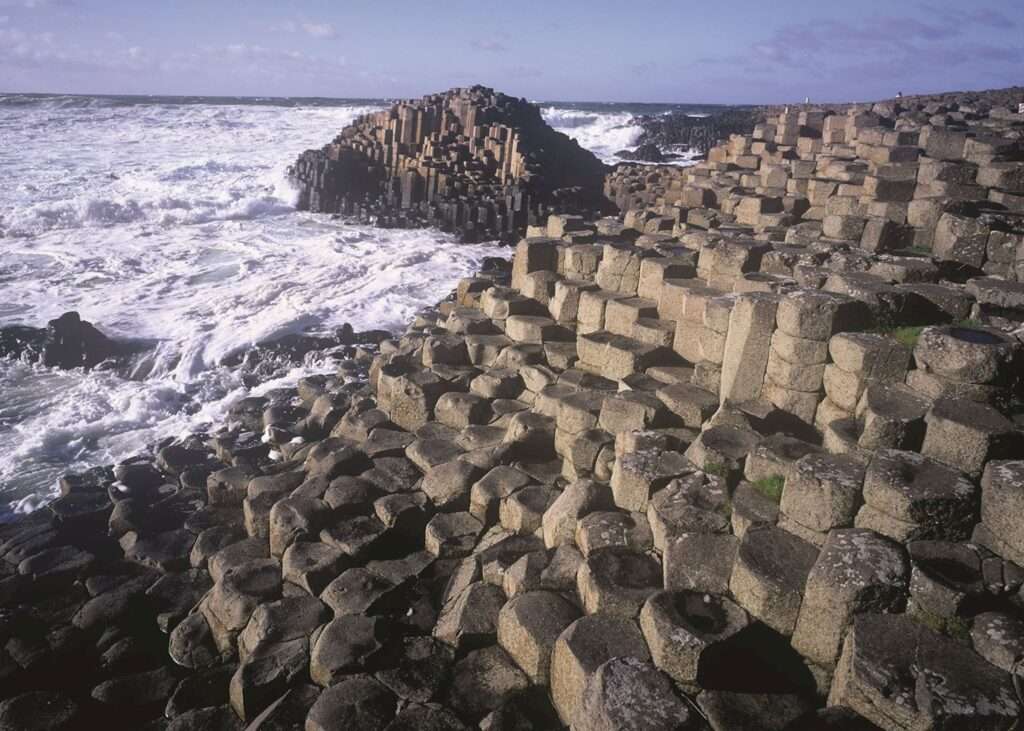
The Giant’s Causeway sits three hours north. The day trip is real, popular, and long: coach tours run it daily (typically with a Dark Hedges or Carrick-a-Rede stop and a Belfast pause), and the DIY version — the two-hour Enterprise train to Belfast, then a Causeway-coast tour or the Translink connections — trades convenience for flexibility. Either way it’s a twelve-plus-hour commitment, and worth stating plainly before booking.
The rule the tours rarely volunteer: the stones themselves are free — a public right of way confirmed in court in 1897 runs to the Causeway, and only the National Trust’s Visitor Experience (exhibition, audio guide, parking) carries the ticket. Arriving by tour bundles it anyway; independent walkers from the park-and-ride or coastal path pay nothing to stand on the columns. The basalt geometry — 40,000 interlocking hexagons from a volcanic cooling event the legend improves into giant masonry — delivers at any price.
The stack en route: Carrick-a-Rede’s rope bridge (timed tickets, closed in high wind), Dunluce Castle’s cliff-edge ruin, and the Dark Hedges’ beech tunnel, photographed fastest at the day’s ends. Belfast’s own hour goes to the Titanic quarter or the political-history cab tours, each deserving more than a stopover honestly grants. The verdict: go with the early start and the right expectations, or give the coast the overnight that suits it.
The Cliffs of Moher Question — A Verdict
The Cliffs of Moher sell harder from Dublin than any other Irish sight, so the arithmetic goes first: they stand on the far coast, three to three and a half hours each way, and the standard coach day runs thirteen-plus hours around roughly two at the cliffs — usually timed to the exact midday window when every other coach arrives. People do it daily; the cliffs are genuinely magnificent; and most travelers who compare notes afterward wish they’d done it differently.
The better versions: base a night in Galway or Doolin and take the cliffs at morning or evening light with the Burren’s limestone pavements and Doolin’s session pubs attached — the region needs the two days the postcard compresses. Travelers locked to Dublin who want Atlantic drama in one day should weigh Howth’s cliff path (25 minutes away) honestly against thirteen hours of coach, or take the Belfast-coast day above, which spends its transit on more varied returns.
For those going regardless: book the visitor-experience ticket online (timed parking slots apply to drivers), respect the cliff-edge rules absolutely — the unofficial path’s edge erodes and the wind gusts without notice — and walk ten minutes north or south of the O’Brien’s Tower cluster, where the crowds thin to nothing and the cliffs are the same 214 meters. Doolin’s cliff cruises add the from-below angle when the swell permits.
Read the full Cliffs of Moher day-trip page.
The Kells Slot, the Pint Sort & Dublin Itself
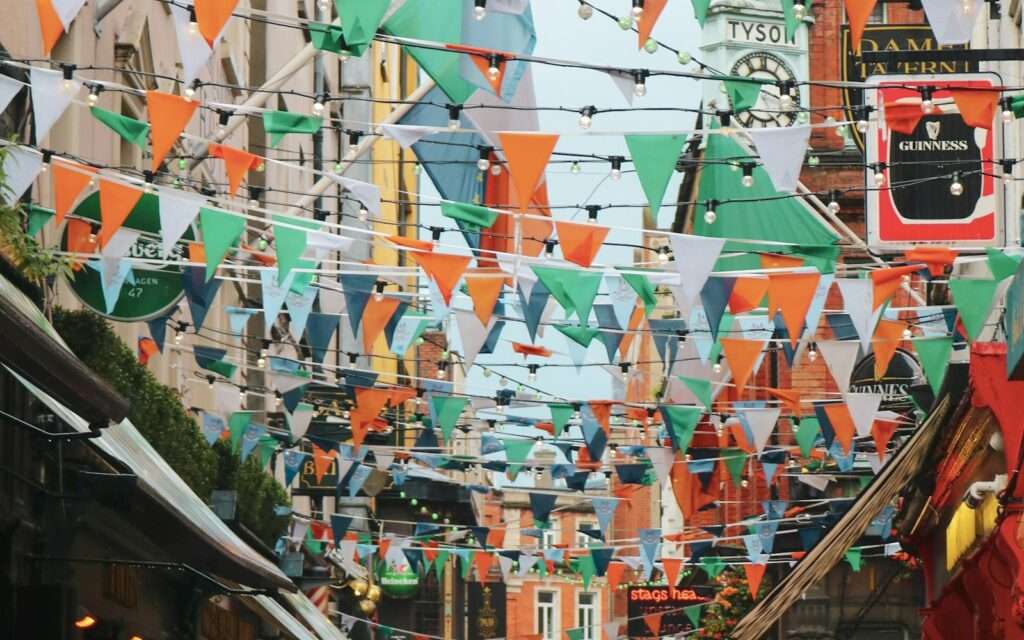
Trinity’s Book of Kells runs on timed tickets booked ahead — the ninth-century gospel pages rotate, the redeveloped exhibition justifies its upgrade, and the Long Room’s barrel-vaulted library above remains the room everyone photographs (its restoration phases have moved books in and out; check current status when booking). The early slots beat the coach groups by a full atmosphere.
The pint sort, delivered plainly: the Guinness Storehouse is a well-built brand museum whose Gravity Bar view justifies the ticket for first-timers and enthusiasts; everyone else gets the better version of the same lesson in any proper local — the pint settles in two pours, the surge is the ritual, and the difference between a good house and a great one is real. The whiskey answer runs parallel: the distillery experiences for the curious, the Palace or Kehoe’s back room for the education.
The rest: Kilmainham Gaol books out days ahead and delivers the state’s founding story with more force than any museum (book it like a flight), the National Museum’s gold hoards and bog bodies are free, EPIC lives up to its emigration-museum awards, and the session etiquette is simple — arrive, listen, don’t request Danny Boy, and buy the musicians a round through the bar. Season math: May–September runs the long light; the weather ignores all seasons equally; match days (GAA Sundays at Croke Park especially) convert the city and are worth joining on purpose; and the Bloomsday-to-Christmas festival calendar rewards checking before any fixed plan.
Full day-trip pages: Kilkenny.
Frequently Asked Questions
How do you get Newgrange tickets?
On Heritage Ireland’s official booking site — all access runs via the visitor centre’s shuttle and guided tours, released 30 days ahead in season (7 in winter), every visitor ticketed, no re-slotting for latecomers. The chamber tour is the one to want; the solstice mornings run by annual lottery.
Is the Giant’s Causeway free?
The stones are — an 1897 court-confirmed right of way reaches them, and only the National Trust Visitor Experience (exhibition, parking, audio guide) is ticketed. From Dublin it’s a twelve-plus-hour day by coach or train-plus-tour; go early or give the coast an overnight.
Are the Cliffs of Moher worth it from Dublin?
As a thirteen-hour coach day around two midday hours — honestly, rarely. They’re magnificent from a Galway or Doolin base at the day’s ends; from Dublin, weigh Howth’s cliff path or the Antrim coast instead. If going anyway, book online and walk ten minutes past the tower crowds.
Do you need to book the Book of Kells?
Yes — timed tickets, with early slots beating the groups. The exhibition rotates the pages on display, and the Long Room’s restoration phases affect what’s shelved; check current status when you book.
What’s the best short escape from Dublin?
The DART: Howth’s cliff loop and chowder north, Dalkey–Killiney’s bay panorama south — 25 minutes either way on a transit card. It’s the recovery day the longer list needs, and the seals at Howth pier work the crowd like professionals.